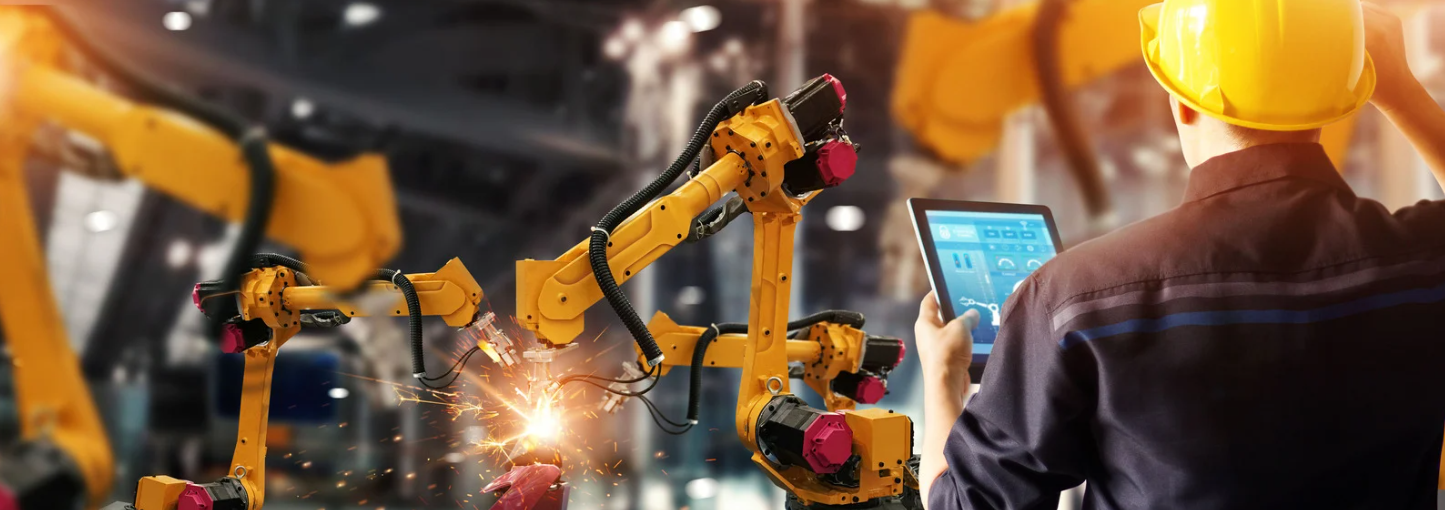
Manufacturing continues to drive economic growth in the Piedmont Triad, anchoring a renaissance fueled by billions in advanced manufacturing investments, superior transportation infrastructure, and a skilled workforce pipeline that positions Greensboro, Winston-Salem, and High Point as a Southeast powerhouse.
Megaprojects Anchor a Diversified Base
The region’s manufacturing momentum stems from transformative commitments. Toyota’s $13.9 billion battery plant in Liberty near Greensboro already ships EV components, while JetZero’s $4.7 billion aviation facility at Piedmont Triad International Airport promises 14,500 jobs through 2063. These join established players: HondaJet and Boom Supersonic in aerospace, Wolfspeed’s semiconductor operations in Siler City, Siemens train production in Lexington, and Mack Trucks/Volvo in Greensboro.
This portfolio spans batteries, aircraft, rail, and chips creating “agglomeration effects” where suppliers cluster, sharing labor pools and logistics. North Carolina captured 74% of project wins, 59% of jobs, and 82% of capital investment in manufacturing over the past decade, with the Triad as a linchpin.
Infrastructure Enables National Competitiveness
Three factors make the Triad irresistible for manufacturers. First, Interstates 40/85 and rail-to-port links reach 60% of U.S. consumers in one day, amplified by PTI’s FedEx hub and 4,000-acre industrial campus. Second, Foreign Trade Zones and shovel-ready sites slash timelines. Third, costs run 20-30% below coastal metros, with energy rates competitive for high-draw processes like battery production.
State incentives—the One NC Fund, Job Development Investment Grants—sweeten deals, contributing to $24 billion in 2025 capital across 56 counties.
Workforce Pipeline Matches Industry Needs
Community colleges and universities deliver: Guilford Technical, Forsyth Tech, and NC A&T produce thousands annually in mechatronics, aviation maintenance, welding, and industrial engineering—directly feeding Toyota, JetZero, and Wolfspeed. Wages average 25% above regional norms, lifting family incomes and amenities in a virtuous cycle.
Despite a 42% national manufacturing job drop since 1990, the Triad bucks trends through advanced specialization, avoiding low-margin pitfalls.
Ripple Effects Bolster Small Business and Services
Direct jobs spawn secondary growth. Suppliers in machining, composites, and tooling thrive; logistics firms handle just-in-time flows; professional services (engineering, compliance) follow. Small businesses—500+ tracked—capture overflow, from facility maintenance to specialized staffing. Biotech and healthtech in Winston-Salem’s Innovation Quarter leverage manufacturing payrolls for talent and contracts.
Challenges and Sustained Outlook
Growth lags Charlotte/Raleigh slightly due to legacy furniture losses, but Winston-Salem led Triad job gains at 2% year-over-year. Risks include workforce upskilling needs and infrastructure strain, met by targeted training and site expansions.
Named 2025’s top state for business, North Carolina; and the Triad, model resilient growth: strategic infrastructure plus human-capital investment yields enduring prosperity. As EV, aerospace, and semiconductors scale, manufacturing’s role as economic engine shows no signs of slowing.